 ultimate-guide
The Impact of War on Veteran Families: A Deep Look
Table of Contents
- The Impact of War on Veteran Families: An Overview
- PTSD Effects on Veteran Families
- How Combat Affects Children and Families
- Veteran Reintegration into Family Life
- Intergenerational Effects of War Trauma
- Caregiver Health and Support Needs
- Finding and Evaluating Support Services for Veteran Families
- Conclusion: Understanding the Impact of War on Veteran Families
- Frequently Asked Questions
Last Updated: October 18, 2026
The Impact of War on Veteran Families: An Overview
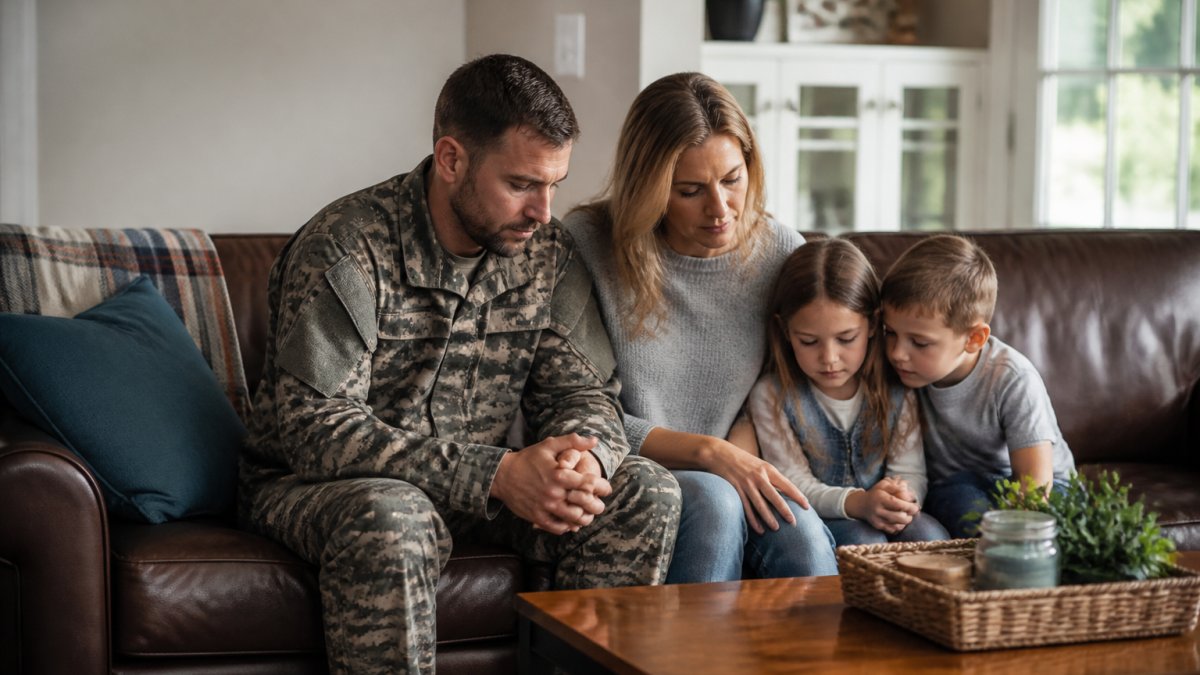
The impact of war on veteran families is the cumulative emotional, psychological, relational, and financial strain that military service, deployment, and combat trauma place on the people who share a veteran's life. It does not end when the service member comes home. In many households, that is when the hardest work begins.
This guide examines what those effects actually look like, drawn from the themes explored in the Fire in the Wire series and from publicly documented research on military family life. Below, we break down how war trauma moves through a household: into marriages, into children, into the quiet routines of caregiving, and sometimes into the next generation.
A common mistake is treating the veteran as the only person affected. The U.S. Department of Veterans Affairs and similar bodies have long recognized that families carry their own distinct burden, and that family support is one of the strongest factors in a veteran's recovery.
PTSD Effects on Veteran Families
Post-traumatic stress disorder (PTSD) is a condition in which a person continues to experience intense stress responses, avoidance, and hypervigilance long after a traumatic event has passed.
A veteran managing PTSD may avoid crowds, sleep poorly, startle at sudden noise, or withdraw from conversation. Spouses often become the household's emotional buffer: monitoring moods, softening news, keeping children quiet during a bad night. Children learn to read the room before they learn to read a book.
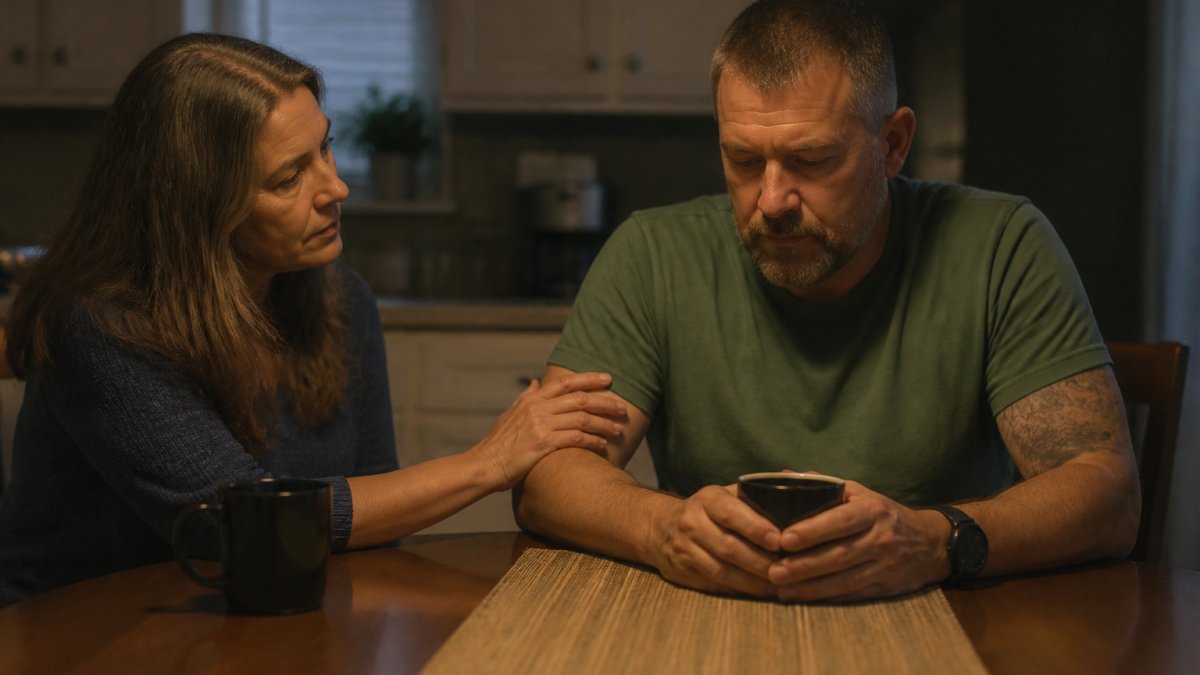
What most guides miss is that avoidance is contagious. When one person in a household stops talking about the hard things, everyone else quietly follows. Research-oriented family support programs, such as those documented through the National Center for PTSD, consistently emphasize communication and shared routines as protective factors.
How Combat Affects Children and Families
Combat affects children and families through three channels: the emotional climate of the home, the repeated absence of a parent, and the uncertainty that hangs over both. Military children are remarkably adaptable, but adaptability is not the same as immunity.
The most visible signs tend to cluster around separation. Fear of separation, crying, acting out, regression in younger children, and withdrawal in older ones are common during and after a parent's deployment. Teenagers may take on adult responsibilities early, which looks like maturity and often masks anxiety.
- Younger children: clinginess, sleep disruption, regression in toilet training or speech
- School-age children: aggression, trouble concentrating, acting out at school
- Teenagers: withdrawal, risk-taking, parentification, resentment
- All ages: fear of separation and hypervigilance to a parent's mood
What most families are never told is that children often mirror the parent who stayed home. If the at-home parent is managing anxiety silently, children absorb the pattern before they can name it. Naming the situation out loud, in age-appropriate language, does more good than trying to protect children through silence.
Veteran Reintegration into Family Life
Reintegration is the process of a returning veteran re-entering the routines, roles, and relationships of family life after deployment. It is rarely a single event.
The friction usually comes from small mismatches. A veteran who has spent a year in a high-alert environment comes home to a household that has learned to run without them. Spouses have built new routines and new authority. Children have grown.
A common mistake is treating reintegration as the veteran's job alone. The families who adjust best tend to treat it as a shared renegotiation: who handles what, which rules hold, and where the veteran needs space versus where the family needs presence.
Military OneSource publishes practical reintegration guidance for families, including conversation frameworks and household-role planning. The core insight is unglamorous: reintegration improves when expectations are spoken out loud early rather than discovered through conflict.
Intergenerational Effects of War Trauma
Intergenerational effects of war trauma are the ways a veteran's wartime experiences shape the emotional patterns, stories, and stress responses of children and grandchildren who never saw combat themselves. The transmission is rarely direct. It moves through silence, through unexplained reactions, and through family stories told in fragments.
Adult children of veterans often describe growing up with a parent who was physically present but emotionally elsewhere. Researchers who study veteran families, including work summarized through the U.S. Department of Veterans Affairs National Center for PTSD, note that untreated parental PTSD is associated with elevated emotional and behavioral risks in children, though the strength of that link varies widely by family circumstances.
The differences by conflict, deployment length, and family circumstances matter here. A family that endured multiple long deployments during the Afghanistan and Iraq era faces a different pattern of strain than a family shaped by a single Vietnam-era tour decades ago. The mechanism is similar; the timeline and the available support are not.
The hopeful side of this research is that transmission is not destiny. Families that talk openly, that name what happened, and that seek support break the pattern more often than families that do not. That is part of why the stories in the Fire in the Wire series are written: naming the thing is the first step toward carrying it differently.
Caregiver Health and Support Needs
Caregiver burden is the physical, emotional, and financial strain carried by the person who provides day-to-day support to a veteran with injuries, illness, or psychological health needs.
Spouses and partners often become full-time caregivers without ever using the word. They manage medications, appointments, and household finances. They absorb aggression, withdrawal, and long silences. They hold the family's emotional temperature while managing their own untreated stress.
The financial toll is real and often invisible. A spouse who steps back from work to provide care loses income and career momentum. A family that relocates repeatedly for service reasons loses the local support network that would otherwise share the load.
Caregiver health and support needs are not a side issue. A caregiver who burns out cannot sustain the support the veteran depends on. Support programs that recognize this, from respite care to caregiver-specific counseling, exist precisely because the family's capacity is finite.
- Respite care: scheduled breaks from caregiving duties
- Caregiver counseling: individual support for the spouse or partner
- Peer support groups: connection with others in the same role
- Financial assistance programs: stipends and benefits for qualifying caregivers
- Childcare access: affordable childcare so caregiving does not consume every hour
Finding and Evaluating Support Services for Veteran Families
Support services for veteran families fall into four broad categories: government programs, nonprofit organizations, peer support networks, and clinical care. Knowing which category fits your situation is the fastest way to find help.
Government programs include benefits and family support administered through national veterans agencies. These are usually the most comprehensive and the most paperwork-heavy.
Nonprofit organizations tend to move faster and specialize. They often focus on a specific need, such as emergency financial assistance, childcare, or retreats for families.
Peer support networks connect families with others who have lived the same experience. For many spouses and children, this is the first place the isolation breaks.
Clinical care covers mental health treatment for the veteran, the spouse, and the children. Family-inclusive treatment tends to outperform treatment aimed at the veteran alone.
| Service Type | Best For | Typical First Step | Watch Out For |
|---|---|---|---|
| Government programs | Benefits, long-term support | Check official agency site | Slow timelines, eligibility rules |
| Nonprofits | Urgent, specific needs | Verify registration and funding | Uneven quality across groups |
| Peer support | Isolation, shared experience | Ask for a local chapter | Not a substitute for clinical care |
| Clinical care | PTSD, depression, family therapy | Ask for family-inclusive options | Waitlists in some regions |
A practical framework for evaluating any service: ask three questions before committing. What specifically does this program provide? Who is eligible, and what documentation is required? What happens if it does not work out?
Conclusion: Understanding the Impact of War on Veteran Families
The hardest part of this subject is that there is no clean ending. War trauma does not resolve on a schedule, and families do not get a finish line. What they get is a choice about how to carry it: in silence, or out loud.
If you are a family member trying to understand what your veteran went through, you are already doing the work that matters most. The stories we tell at Guy Kemp, through the Fire in the Wire series, are built around exactly this: brotherhood, survival, and the battles that never truly end. Our books explore the human side of the Vietnam War for readers who want to understand it, not just read about it.
For families who want to go further, the resources above are a starting point, not a verdict. Support programs exist because the burden is real, and no family should have to carry it alone.
Frequently Asked Questions
How does war trauma affect a veteran’s family?
War trauma can ripple through every part of family life. Veterans may bring home hypervigilance, irritability, or emotional withdrawal, which spouses and children often experience as distance or unpredictability. Partners may take on caregiving roles while managing their own worry, and children can show fear of separation, acting out, or self-soothing behaviors. The impact of war on veteran families is rarely one-directional; it shapes communication, trust, and daily routines. Recognizing these patterns is the first step toward getting support and rebuilding connection.
How can PTSD affect relationships between veterans and their families?
PTSD effects on veteran families often show up as strained communication and emotional distance. A veteran may avoid crowded places or feel constantly on guard, which can limit family activities. Partners might feel shut out or unsure how to help, and children may misinterpret a parent’s irritability as rejection. These patterns can lead to withdrawal and conflict, but they are not permanent. Couples and family therapy, peer support, and education about trauma can help families understand the behavior and respond with less blame and more clarity.
Can the effects of war trauma be passed down through generations?
Research on intergenerational effects of war trauma suggests that children and grandchildren of veterans can be affected, though not in a simple hereditary way. Family stories, parenting styles shaped by trauma, and an atmosphere of silence or tension can carry the effects forward. Some families notice heightened anxiety or difficulty discussing emotions across generations. Being aware of these patterns helps families break the cycle. Open conversation, professional counseling, and supportive community programs can reduce the transmission of trauma and build resilience.
How can families support a veteran experiencing trauma?
Families can help by learning about PTSD and avoiding blame. Practical steps include listening without pushing for details, keeping routines predictable, and encouraging the veteran to connect with peer support or professional care. Family members should also protect their own well-being by setting boundaries and seeking their own counseling if needed. Support programs and family resources exist for spouses and children too. The goal is not to fix the veteran but to create a stable, informed home environment where everyone can get the help they need.
The impact of war on veteran families is not something you solve once. It is something you learn to hold together, with the right stories and the right support. If you want to understand the experience from the inside, the Fire in the Wire series from Guy Kemp offers an immersive, reflective look at the Vietnam War and the battles that continue long after the shooting stops. Explore the series and see what resonates.