 how-to
7 Steps to Understand the Vietnam War and Its Legacy
Last Updated: October 28, 2026
Quick Summary
To understand the vietnam war, start with its colonial roots: Vietnam spent roughly sixty years under French control before World War II, and by the mid-1950s the country was divided into a communist north and non-communist south. Three stages cover the conflict: the colonial exit, the escalation, and the long withdrawal.
- Vietnam spent roughly sixty years under French colonial control before World War II.
- By the mid-1950s Vietnam was divided into a communist north and a non-communist south.
- American forces withdrew in the early 1970s, but the war ended for Vietnam in 1975.
- Fiction is one of the most effective ways to understand the Vietnam War.
- Start small: pick one book, read one chapter, and see how it lands.
Table of Contents
- Vietnam War Causes and Timeline: How the Conflict Took Shape
- Vietnam War Explained Simply: The Key Stages Without the Jargon
- The Human Cost: Why the Numbers Only Tell Part of the Story
- Impact of War on Veteran Families: The Battles That Continued at Home
- Vietnam War Lessons Learned: What Historians and Veterans Keep Returning To
- Reading Vietnam War Fiction as a Way Into the History
- Start With One Chapter: Where to Begin Your Reading
- Frequently Asked Questions
Vietnam War Causes and Timeline: How the Conflict Took Shape
Most people trying to understand the Vietnam War start in the wrong place. They begin with American troops in the jungle. The real story starts decades earlier, with French colonial rule and a country split in two. The conflict can be understood through its colonial roots and the books that help make the war make sense today. By the end, you will have a working timeline in your head, not a list of dates to memorize.
From Colonial Rule to a Divided Country
Vietnam spent roughly sixty years under French colonial control before World War II. When Japan occupied the region during the war, Vietnamese resistance leaders saw an opening. After 1945, France tried to reclaim control and failed. The result was a divided country by the mid-1950s: a communist north and a non-communist south. That division is the root cause most timelines rush past.
The Escalation Years and the Long Withdrawal
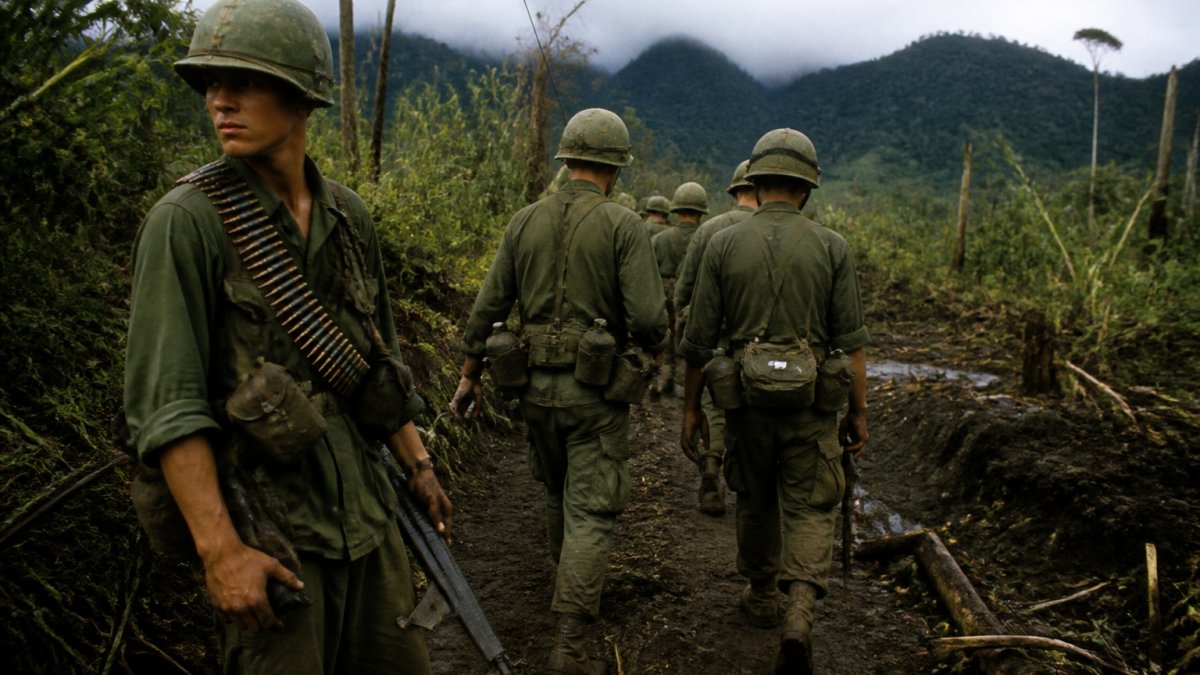
The conflict widened through the early 1960s as the United States committed advisors, then combat troops. It took years of fighting, heavy casualties, and growing public protest before a peace agreement allowed American forces to withdraw in the early 1970s. The war did not end for Vietnam until the south fell in 1975. Keep that gap in mind. For Americans the war ended; for Vietnamese families it did not.
Vietnam War Explained Simply: The Key Stages Without the Jargon
Here is the short version. The Vietnam War was a decades-long conflict that began as a colonial independence struggle, became a Cold War proxy fight, and ended with the reunification of Vietnam under communist rule in 1975. Three stages cover it: the colonial exit, the escalation, and the long withdrawal.
Who Fought, and Why
- North Vietnam and the Viet Cong: fighting for reunification under a communist government
- South Vietnam: fighting to stay independent
- The United States and allies: fighting to stop the spread of communism
- Civilians: caught in the middle, and often the hardest hit
The motivations matter more than the troop counts. A draftee from Ohio, a village farmer, and a career officer were all in the same war for completely different reasons. That is why simple summaries fail.
The main parties to the conflict and what each was fighting for.
| Side | Fighting for |
|---|---|
| North Vietnam and the Viet Cong | Reunification under a communist government |
| South Vietnam | Staying independent |
| The United States and allies | Stopping the spread of communism |
| Civilians | Caught in the middle, often hardest hit |
The Human Cost: Why the Numbers Only Tell Part of the Story
Casualty figures get quoted constantly, and they never capture the whole picture. The war killed soldiers on all sides and a vast number of civilians. It displaced families, destroyed villages, and left survivors with injuries and trauma that lasted decades. A body count says nothing about a child who grew up without a father or a village that never rebuilt.
What most guides miss is the second wave of damage. The war shaped politics, trust in government, and family life long after the shooting stopped. When you read about the Vietnam War, hold two things at once: the scale of the loss, and the fact that each number was a person with a family. That shift in perspective is the difference between knowing facts and understanding the war.
Impact of War on Veteran Families: The Battles That Continued at Home
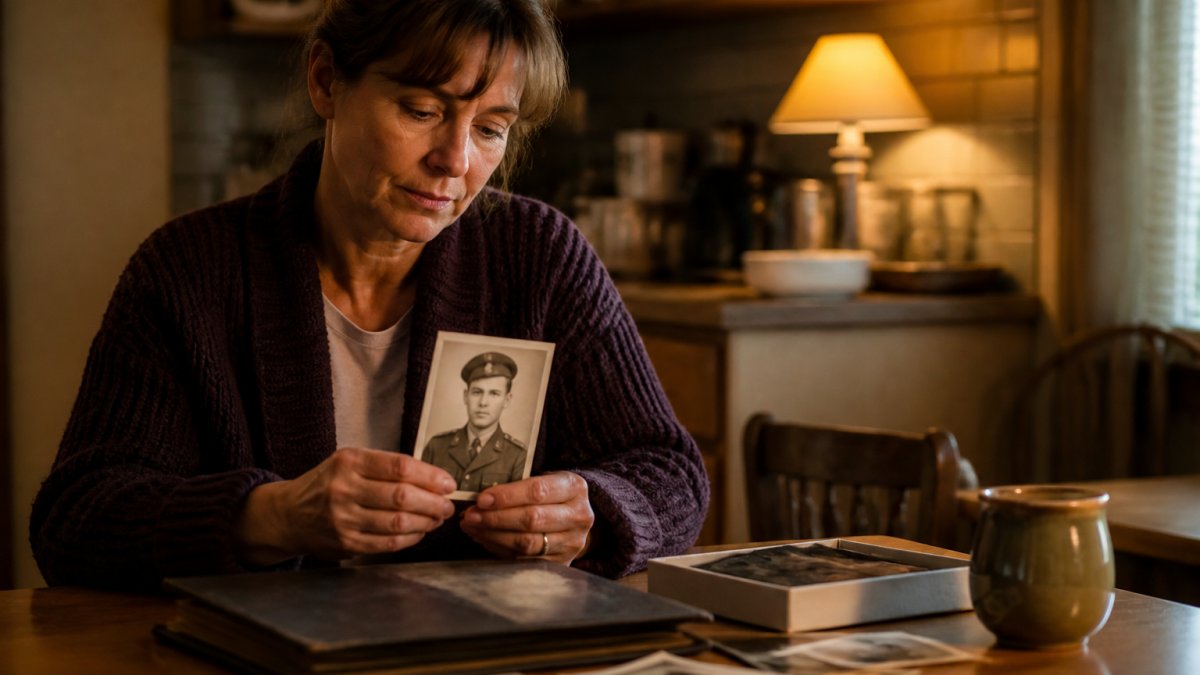
The war's effects could follow veterans home and affect their families. Some returned with injuries or difficult memories. The impact on families is part of the conflict's lasting human cost.
For families, understanding the war often means understanding a parent or grandparent. That is a different task than memorizing a timeline. It requires patience and context. If this is your situation, this look at the impact of war on veteran families goes deeper into how the conflict reshaped households for generations.
Vietnam War Lessons Learned: What Historians and Veterans Keep Returning To
The lessons people draw from the Vietnam War tend to fall into a few themes. Historians focus on how a powerful military struggled against an enemy fighting on home ground. Veterans talk about brotherhood, loyalty, and the cost of survival. Families remember the silence.
- Know the terrain you are entering. Local knowledge beats raw firepower.
- Public support matters. A war without backing at home becomes unsustainable.
- The aftermath lasts longer than the war. Healing takes decades, not months.
The theme that surfaces most often is brotherhood. Men who served together describe bonds that outlasted the conflict itself. Those bonds are what historians and veterans keep coming back to, because they are the part of the war that still feels human. These books on brotherhood in Vietnam explore that theme directly.
Reading Vietnam War Fiction as a Way Into the History
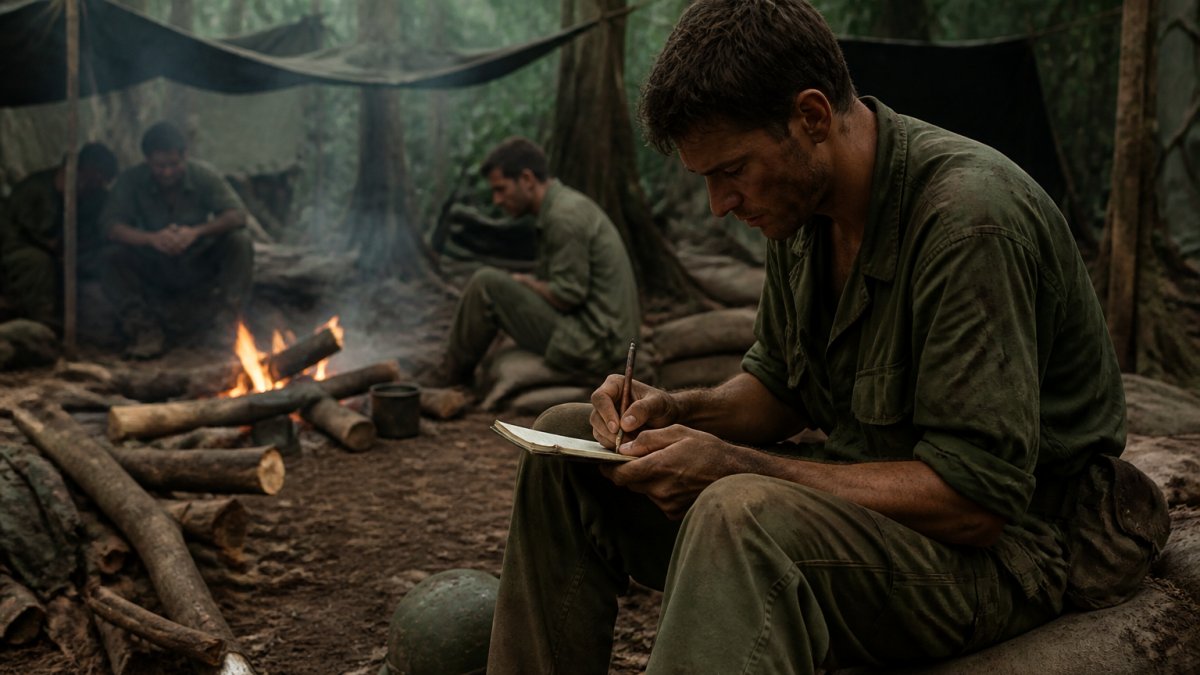
Fiction is one of the most effective ways to understand the Vietnam War. A novel puts you inside a soldier's head. You feel the heat, the fear, and the loyalty to the man next to you. That emotional understanding sticks in a way a timeline never will.
A common worry is that Vietnam War fiction will be too heavy or depressing. Some of it is. The best of it, though, carries something redemptive: loyalty, humor between soldiers, and survival against the odds. Guy Kemp's Fire in the Wire series was written for exactly this kind of reader. It is immersive, character-driven, and grounded in the themes of brotherhood and survival rather than shock. If you are weighing whether the genre is for you, this reader's guide to whether Vietnam War fiction is too depressing answers that question honestly.
Start With One Chapter: Where to Begin Your Reading
The easiest way to start is small. Pick one book, read one chapter, and see how it lands. You do not need a shelf of history books first.
- Choose one novel set in the war
- Read the first chapter without pressure to finish
- Keep a short timeline nearby for reference
- Note the questions it raises, then look them up
- Decide if you want fiction, history, or both
Veterans and family members may want to consider what feels right for them. How to choose Vietnam War books for veterans can help narrow the options. For readers who want a series, you can start with the first book and take it one at a time.
Frequently Asked Questions
What caused the Vietnam War?
The conflict grew out of Vietnam's colonial past. After French rule ended in 1954, the country was divided, with a communist government in the north and a Western-backed government in the south. North Vietnam and southern insurgents sought reunification, while the United States committed advisers, then troops, to prevent a communist takeover. Understanding these origins is the first step in how to understand the Vietnam War as a whole.
How did the Vietnam War affect veterans and their families?
The impact of war on veteran families could extend beyond the battlefield. The conflict's lasting effects on veterans and their families are part of its human cost.
Do I need a lot of historical background to follow Vietnam War fiction?
A short primer on the Vietnam War causes and timeline can provide context before you begin.
What lessons do historians draw from the Vietnam War?
Vietnam War lessons learned tend to cluster around a few themes: the limits of military power against a determined local insurgency, the difficulty of judging progress through body counts and statistics, and the cost of decisions made without public trust. Historians also stress the war's long domestic aftermath, from how veterans were received to how families coped. These debates remain unsettled, which is part of why the war still draws so much writing.
Understanding the Vietnam War is not about memorizing dates. It is about holding the history and the human cost together, and that takes stories as much as facts. At Guy Kemp, we built the Fire in the Wire series for readers who want to feel the war, not just read about it. The books follow soldiers through brotherhood, survival, and the battles that never truly end, with characters you can follow from the first chapter. Get started with Guy Kemp and read the war the way it was lived.